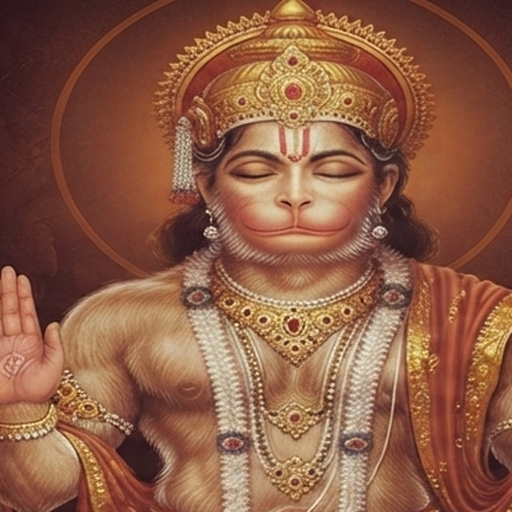
Hanuman Jayanti: Why We Celebrate It & How to Honor Lord Hanuman

Hanuman Jayanti marks the birth anniversary of Lord Hanuman.
Hanuman Jayanti marks the birth anniversary of Lord Hanuman — the devoted follower of Lord Rama and a symbol of strength, courage, and unwavering devotion. It's celebrated with great enthusiasm across India, most commonly on the full moon day (Purnima) of the Hindu month Chaitra, which falls in March or April.
Here's why this day matters, and a few simple, meaningful ways to observe it.
Why Do We Celebrate Hanuman Jayanti?
Hanuman is revered for qualities devotees look to for inspiration in their own lives:
- Unmatched strength — in the Ramayana, he carries an entire mountain to save Lakshmana's life.
- Supreme devotion — his loyalty and love for Lord Rama are considered without equal.
- Protection from harm — many devotees turn to him for courage against fear and obstacles.
Hanuman Jayanti honors his birth and is an occasion for devotees to seek his blessings for courage, strength, and spiritual growth.
How Is Hanuman Jayanti Celebrated?
Temple Celebrations
- Devotees gather at Hanuman temples before sunrise
- Special pujas, aartis, and Hanuman Chalisa recitations fill the day
- Temples like Jakhu (Shimla), Salasar Balaji (Rajasthan), and Sankat Mochan (Varanasi) host large gatherings
Fasting & Devotional Practice
- Many observe a day-long fast, eating only sattvic (pure) food
- Hanuman Chalisa, Sundarkand, or Bajrang Baan are recited for blessings
- Sindoor (vermilion) is applied to Hanuman idols as a mark of devotion
Charity & Service
- Offering laddoos — said to be Hanuman's favorite — to those in need
- Donating red clothes, sesame oil, or books to temples
Processions & Performances
- Some regions hold shobha yatras (processions) with Hanuman idols
- Dramas depicting Hanuman's deeds from the Ramayana are performed
Simple Rituals You Can Do at Home
1. Early Morning Prayer
Wake before sunrise, bathe, and chant "Om Shri Hanumate Namah" — traditionally repeated 108 times.
2. Light a Lamp with Mustard Oil
A lamp lit with mustard oil near a Hanuman idol, or under a peepal tree, is a common practice on this day.
3. Recite the Hanuman Chalisa
Reciting the Hanuman Chalisa — often 11 or 21 times — is one of the most widely followed practices for this occasion.
4. Offer Red Flowers & Laddoos
Red flowers, such as hibiscus, and besan laddoos are traditional offerings made with devotion.
Why Does the Date Vary by Region?
The exact date depends on regional calendars and traditions, but the devotion behind the day remains the same everywhere.
Frequently Asked Questions
Can women observe the Hanuman Jayanti fast?
Yes. Hanuman's blessings are considered available to all devotees equally, regardless of gender.
What should I avoid on Hanuman Jayanti?
Many devotees avoid non-vegetarian food, alcohol, and try to steer clear of negative thoughts or arguments on this day.
Which mantra is commonly chanted on Hanuman Jayanti?
A widely recited mantra is: "Om Anjaneyaya Vidmahe, Vayuputraya Dheemahi, Tanno Hanumat Prachodayat."
Why does the date of Hanuman Jayanti change every year?
Because it follows the Hindu lunar calendar, tied to Purnima (full moon) in Chaitra month, which shifts against the Gregorian calendar each year.
Hanuman Jayanti isn't just a ritual — it's a day to awaken the same qualities Hanuman embodied: fearlessness, devotion, and quiet strength. However you choose to mark it, even a few quiet minutes of prayer or a shared laddoo with someone in need carries the spirit of the day.
Start your Hanuman Jayanti with a recitation of the Hanuman Chalisa.
Read Hanuman Chalisa →