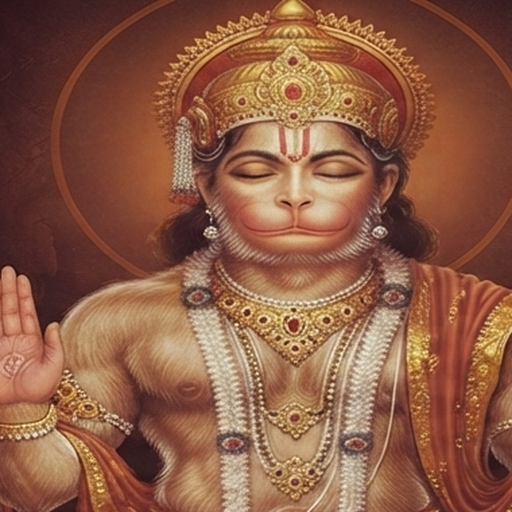
Hanuman Puja, Vrat and Chalisa Path: A Complete Guide
How to keep the Tuesday and Saturday fast, recite the Hanuman Chalisa with the right sankalp, offer sindoor and chola, and perform a simple Hanuman puja at home.
Hanuman Vrat: Tuesday and Saturday
Two weekdays, two traditions, one devotion.
Tuesday (Mangalvar)
The day most associated with Hanuman. Devotees fast for strength, courage, and protection from fear and obstacles. Many begin a 21 or 43 week vrat on the first Tuesday of Shukla Paksha.
Saturday (Shanivar)
Observed to seek relief from Shani’s difficult periods. Hanuman devotees are traditionally believed to be spared Shani’s harshness.
Vrat vidhi
- Wake early, bathe, and wear clean clothes. Red or orange is traditional on Tuesday; dark blue or black is common on Saturday.
- Clean the puja space and place a Hanuman image or idol facing east.
- Take a sankalp: state your intention and how many weeks you will keep the vrat.
- Offer sindoor, flowers, a ghee lamp, and incense. Recite the Hanuman Chalisa.
- Fast through the day. Fruit, milk, and water are usual; many take one sattvic meal after sunset without salt. Fast according to your health.
- In the evening, repeat the puja, read or hear the katha, and perform the aarti.
- Break the fast with sattvic food. Share prasad (boondi laddu or jaggery with roasted gram) with family and others.
Vrat katha (short traditional version)
A childless Brahmin couple worshipped Hanuman with great faith. The husband went to the forest to pray, while his wife fasted at home every Tuesday and offered the first portion of her food to Hanuman before eating. One Tuesday she was so busy with the puja that she forgot to cook, and she vowed to stay hungry until the next Tuesday.
Six days later, weak from fasting, she fainted before the deity. Hanuman, moved by her devotion, blessed her with a son who was healthy and bright. The family kept the vrat for life, and the household stayed free of fear and want.
The message: Hanuman responds to steady devotion and discipline, not to the size of the offering.
Katha versions differ by region and family. Use the one your family follows.
How to Recite the Hanuman Chalisa
Counts, timing, posture, and the question of bathing.
11 times
A common daily or special-occasion practice, often done on Tuesdays and Saturdays.
21 times
Taken up with a particular prayer in mind, often over several days.
40 days
A discipline of daily recitation (once or 11 times) with a sankalp. Chalisa has 40 verses, which is why 40 days is popular.
108 times
The full mala count, usually done in one sitting on Hanuman Jayanti or at a major turning point.
Best time
- Brahma muhurta (about 1.5 hours before sunrise) or early morning is the most praised time.
- Sunset, when the evening lamp is lit, is the second choice.
- Tuesday and Saturday carry extra significance, but daily recitation is welcome.
Bath, posture, and direction
- Bath: A bath and clean clothes are recommended for focus and respect, but they are a courtesy, not a condition. If you cannot bathe, wash your hands and face and recite with a clean mind.
- Posture: Sit on a woolen, cotton, or kusha mat, back straight, legs folded. Avoid sitting directly on bare ground. If you cannot sit, standing or sitting on a chair is fine.
- Direction: Face east or north. If you are in front of a Hanuman image, face the image.
- Mala: Use a 108 bead rudraksha or tulsi mala to keep count.
Begin by saluting Lord Ganesha and Shri Ram, since the Chalisa itself calls Hanuman Ram’s closest devotee. Recite clearly, at an unhurried pace, and close with the aarti.
Sindoor and Chola Offering
Why Hanuman wears sindoor, and how to offer it.
The story
One day Hanuman saw Mother Sita applying sindoor to her hair parting. He asked why. She explained that it was for Shri Ram’s long life and well-being. Hanuman thought: if a pinch of sindoor does so much, how much more would covering his whole body do? He smeared himself from head to toe with sindoor. Ram, pleased by this innocent devotion, blessed him, and that is why sindoor is offered to Hanuman today.
What is chola?
Chola is a cloth, usually red or orange, that is draped over the idol along with a coat of sindoor mixed with oil. It is a special offering, especially on Tuesdays and Saturdays, and is made at the temple or on a home idol.
Offering vidhi
- Mix sindoor with chameli (jasmine) oil or sesame oil into a paste.
- Take a sankalp and bow before the image or idol.
- Apply the paste with your right hand, beginning at the feet and moving upward to the chest.
- Offer a red or orange cloth if you are doing the full chola.
- Offer red flowers, light the lamp, and recite the Chalisa.
- Take a little of the sindoor as tilak after the puja.
In some temples, the applying of sindoor and touching of the idol is done by the priest alone. Follow the temple’s custom.
Hanuman Puja at Home
A simple vidhi that fits in 30 minutes.
Samagri (what you need)
- Hanuman idol or photo
- Red or orange cloth for the seat
- Sindoor and chameli oil
- Akshat (unbroken rice)
- Ganga jal or clean water
- Red flowers (hibiscus, marigold)
- Tulsi leaves
- Incense and camphor
- Ghee or sesame oil lamp
- Betel leaf (paan)
- Naivedya: boondi laddu, jaggery with roasted gram, bananas
- Chalisa book or phone
- Mala for japa
- Small bell
Step by step
- Prepare. Bathe, clean the puja area, and spread the cloth. Place the image facing east.
- Sankalp. Hold water and rice in your right hand and state your name and purpose silently or aloud.
- Invoke Ganesha and Ram. Begin with a short prayer to Ganesha, then Shri Ram, Sita, and Lakshman.
- Welcome Hanuman. Offer a seat (flowers), then water for the feet and hands, and sprinkle Ganga jal.
- Offer sindoor and flowers. Apply sindoor mixed with oil and offer red flowers and tulsi leaves.
- Dhoop and deepa. Light incense and the lamp. Show them to the deity with a clockwise circle.
- Naivedya. Place the prasad before the deity and pray for it to be accepted.
- Recite. Chant the Hanuman Chalisa (11 times if you can), or the 108 names with the mala.
- Aarti. Wave the camphor flame, sing the aarti, and ring the bell.
- Close. Bow, ask forgiveness for any mistakes, and distribute the prasad.
Hanuman and Shani: Chalisa Remedies for Sade Sati
Why Hanuman is turned to in Saturn’s difficult periods.
Sade Sati is the roughly seven-and-a-half-year period when Saturn passes through the signs around your Moon sign. It is considered a testing time in Vedic astrology. A popular legend says Hanuman freed Shani from Ravana’s captivity. In gratitude, Shani promised not to trouble Hanuman’s devotees, which is why worship of Hanuman is the most common remedy.
Traditional practices on Saturdays
- Recite the Hanuman Chalisa daily, or 11 times on Saturdays. The verse “Sankat te Hanuman chhudave” is repeated by many.
- Light a sesame oil lamp before Hanuman, or under a peepal tree at dusk.
- Offer sindoor and chola to Hanuman.
- Donate black sesame, urad dal, mustard oil, or a black blanket to those in need.
- Feed crows, stray dogs, or cows.
- Chant “Om Shanaishcharaya Namah” along with the Chalisa.
- Avoid alcohol and non-vegetarian food on Saturdays, and practice honesty and kindness, which Shani rewards most.
These are faith-based practices. They are not a substitute for medical, legal, or financial advice. For serious difficulties, seek professional help alongside your prayers.
Common Questions
Short answers to what devotees ask most.
Can women recite the Hanuman Chalisa?
Yes. The Chalisa is a prayer of devotion, and Tulsidas wrote it for everyone. Women recite it daily at home and in temples. Some traditions limit women from touching a particular idol or applying sindoor at certain temples, so follow the custom of that temple or your family. During menstruation, many families advise avoiding the physical puja, while mental recitation and listening to the Chalisa remain open to all.
Can I recite the Chalisa without doing a puja?
Yes. Reciting the Chalisa does not require a full puja. You can read it at any time with a clean mind and sincere devotion. A lamp, incense, and a Hanuman image help focus, but they are not required. Even a silent recitation while travelling is valued.
Can I recite the Chalisa without a bath?
A bath is recommended for purity and focus, not required. If you are sick, travelling, or short on time, recite with clean hands and a calm mind. Sincerity matters most.
How many times should I recite the Chalisa?
Once a day is a complete practice. Many devotees do 11 times on Tuesdays and Saturdays, 21 times for a special prayer, or 108 times on Hanuman Jayanti. Choose a number you can keep, and do it with attention.
Can I recite the Chalisa at night?
Yes. Early morning and sunset are the preferred times, but the Chalisa may be recited at any hour, including before sleep.